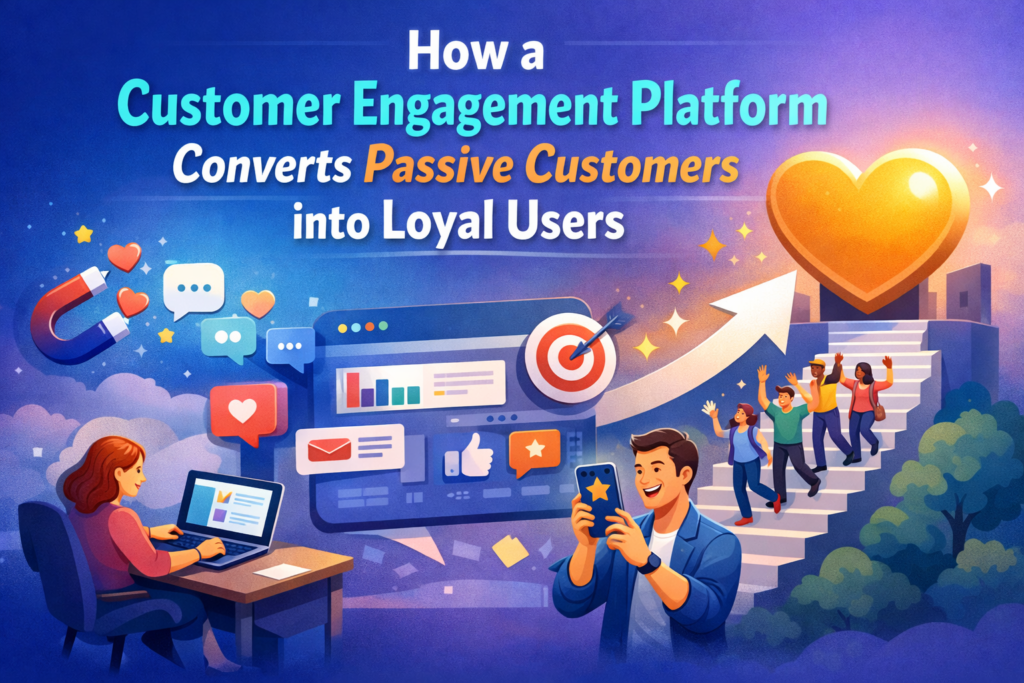
In today’s competitive digital economy, attracting customers is only half the battle. The real challenge lies in keeping them engaged, satisfied, and loyal. Many brands struggle with passive users—people who browse, maybe purchase once, and then disappear. The solution? A powerful customer engagement platform that builds meaningful, long-term relationships.
A modern customer engagement platform is more than just software; it is a strategic system that helps businesses understand, interact with, and retain their customers through data-driven communication and personalized experiences. When implemented correctly, it transforms occasional buyers into brand advocates.
Understanding Passive vs. Loyal Customers
Passive customers typically interact with a brand only when necessary. They might respond to discounts or promotions, but they lack emotional attachment. Loyal users, on the other hand, repeatedly engage, recommend the brand to others, and trust the company’s offerings.
The difference between these two groups often comes down to consistent engagement. Businesses that leverage the right customer engagement tools create experiences that feel personalized and valuable rather than transactional.
What Is a Customer Engagement Platform?
A customer engagement platform is a unified system that enables brands to communicate with users across multiple channels—email, SMS, mobile apps, websites, and social media—while analyzing user behavior in real time.
Unlike a single-purpose customer engagement tool, a full-scale platform integrates data, automation, analytics, and content personalization. It ensures that every interaction feels relevant to the user’s interests and needs.
For example, if a customer frequently browses a particular product category, the platform can automatically send tailored recommendations or exclusive offers. This proactive approach increases both satisfaction and retention.
Key Features That Drive Loyalty
1. Data-Driven Personalization
Modern consumers expect personalization. Advanced customer engagement tools analyze browsing patterns, purchase history, and engagement data to deliver highly targeted communication.
Instead of generic newsletters, users receive curated content aligned with their preferences. Personalization builds trust and shows customers that the brand understands them.
2. Omnichannel Communication
Customers interact with brands across various platforms. A strong Audience Engagement Platform ensures seamless communication across all touchpoints.
Whether users engage via a website, mobile app, or social media channel, their experience remains consistent. This unified approach prevents communication gaps and strengthens brand credibility.
3. Real-Time Interaction
Timing matters. Real-time notifications, triggered emails, and behavioral messaging keep customers engaged at the right moment.
For instance:
Such timely interactions encourage users to return and complete actions they may have abandoned.
4. Community Building & Fan Engagement
Loyalty is often built through community. Businesses that focus on fan engagement create interactive spaces where customers feel connected.
This is particularly powerful in industries like entertainment and sports. Fan engagement in sports, for example, uses interactive polls, live updates, fantasy contests, and exclusive behind-the-scenes content to keep audiences invested beyond match days.
A well-designed customer engagement platform supports such initiatives by offering engagement analytics, gamification tools, and reward systems that deepen user involvement.
Turning Data into Actionable Insights
One of the biggest advantages of customer engagement tools is advanced analytics. Businesses can track:
By analyzing this data, brands can identify what drives repeat interactions and what causes churn. This enables continuous optimization of engagement strategies.
For example, if analytics reveal that push notifications outperform emails for a specific segment, the strategy can be adjusted accordingly.
The Role of Automation in Loyalty
Automation ensures consistent engagement without overwhelming marketing teams. Drip campaigns, onboarding sequences, and loyalty reward reminders can all be automated within a customer engagement platform.
This consistency keeps customers informed and connected. Automated welcome series, for example, guide new users step by step, increasing product adoption and satisfaction.
Gamification & Reward Systems
Gamification is another effective method for converting passive users into active participants. Points, badges, referral rewards, and loyalty tiers encourage repeated engagement.
In industries focused on fan engagement, especially fan engagement in sports, gamified experiences significantly increase user interaction. Live quizzes, prediction games, and reward-based participation keep fans actively involved throughout the season.
Enhancing Customer Experience with Feedback Loops
Feedback is crucial for improvement. A robust Audience Engagement Platform integrates surveys, reviews, and real-time feedback tools.
When customers feel heard, they feel valued. Responding to feedback and implementing improvements strengthens brand loyalty and demonstrates commitment to customer satisfaction.
Long-Term Benefits of a Customer Engagement Platform
Investing in a comprehensive customer engagement platform offers measurable long-term benefits:
Instead of constantly spending resources on acquiring new customers, businesses can nurture existing relationships more effectively.
Final Thoughts
In a world saturated with choices, customer loyalty is built through consistent, personalized, and meaningful interactions. A strategic customer engagement platform acts as the bridge between brand and consumer, transforming passive users into loyal advocates.
By leveraging advanced customer engagement tools, focusing on fan engagement, and utilizing data-driven insights, businesses can create powerful experiences that resonate with audiences across industries—including fan engagement in sports.
Ultimately, loyalty is not accidental—it is engineered through smart engagement strategies powered by the right technology.